
Meet Dr. Emily
I’m Dr. Emily Aron, a child, adolescent, and adult psychiatrist dedicated to helping children and families build strong foundations for mental health. Most of my patients simply call me “Dr. Emily.”
I bring warmth and evidence-based care to every visit, drawing on science, compassion, and collaboration. As an Associate Professor at Georgetown University, I work with patients across the lifespan to find clarity, resilience, and deeper connection in their daily lives.
I’ve always wanted to be someone who helps people feel seen, heard, and supported. I genuinely love seeing patients and getting to know each individual—how their history, temperament, relationships, and environment all come together. Not everyone is able to see me personally, so I created the Looped In Parenting program as a way to share what I teach in the office more broadly, offering practical, evidence-informed support to as many parents and caregivers as I can.

What you’ll Learn with The Looped in Parenting Program
Looped In helps parents understand the patterns that shape everyday life — the connection, communication, and guidance that nurture emotional growth and resilience. Instead of offering one rigid “parenting style,” it brings together the best of multiple approaches, so you can find what fits your child’s temperament, your values, and your current season of life.
The program includes step-by-step guides, mini handouts, and practical scripts you can use right away—whether you’re navigating sleep struggles, big feelings, sibling conflict, school stress, or social media storms. You can start with a pressing problem that needs attention now and then “loop back” to the foundational materials to deepen your understanding over time. My goal is to give you the tools, language, and confidence to support your child’s mental health, while also feeling more grounded and supported yourself.
A — Awareness
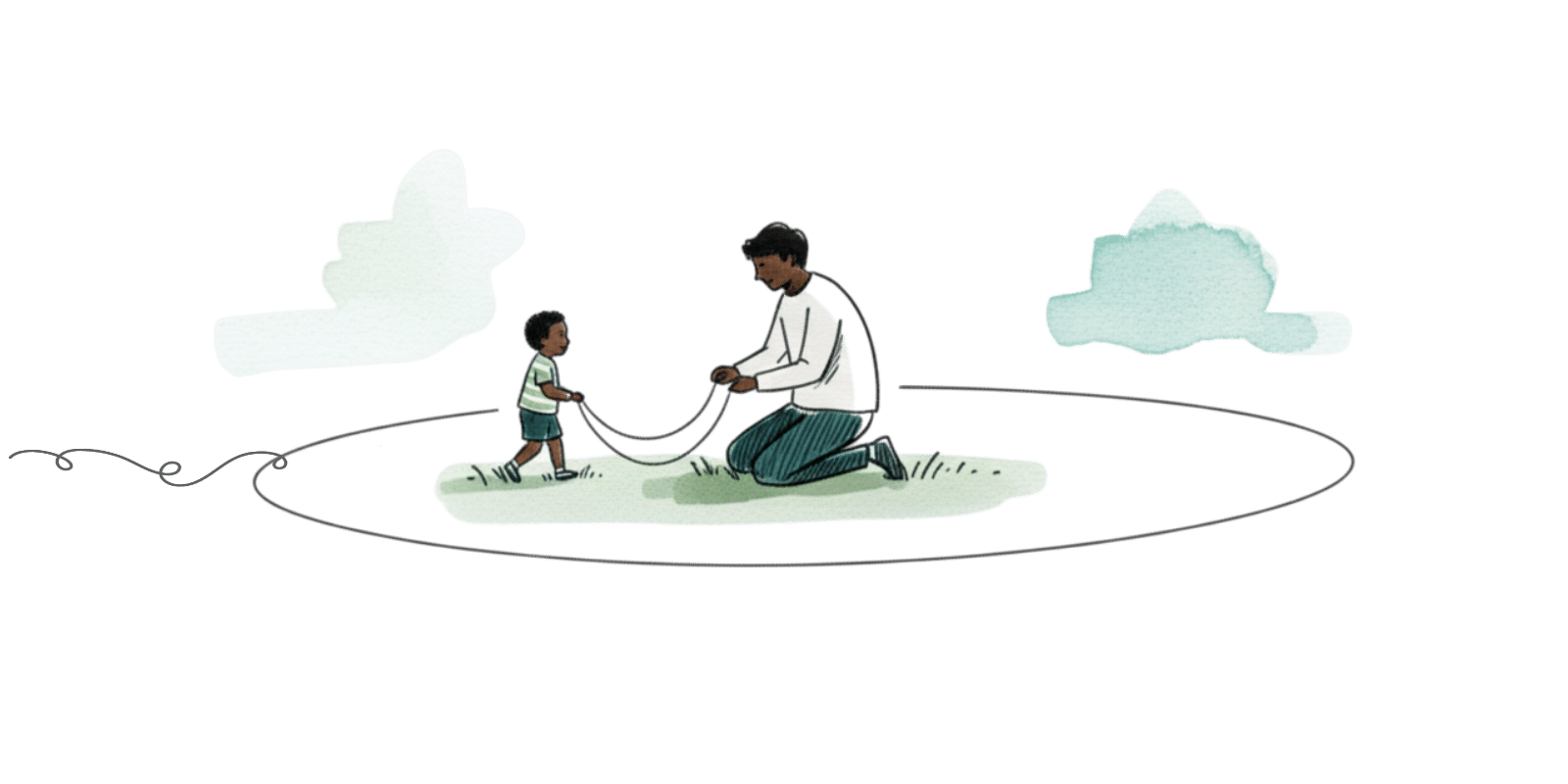
At the heart of parenting is awareness — noticing what your child’s behavior is signaling, and what it stirs up in you. Looped In helps you slow down, name what’s happening, and respond with more intention.

B — Behavior
At the heart of behavior is the why and the how — why it’s happening, and how to respond in the moment. Looped In helps you understand what’s driving the behavior and gives you concrete strategies you can use right away.
C — Connection
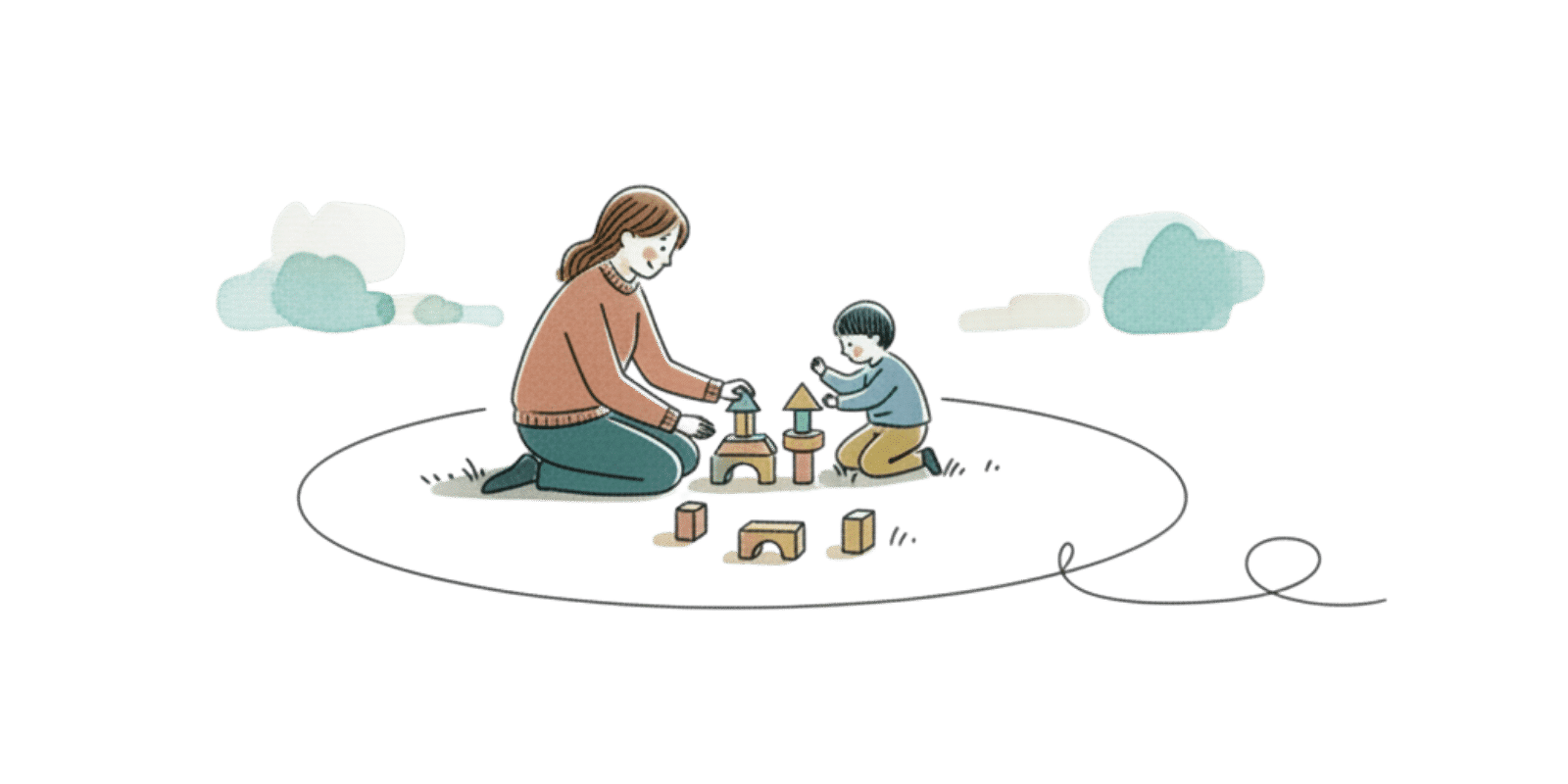
At the heart of wellbeing is connection — strengthening relationships between parents and children, siblings, co-parents, and the wider community around a child. Looped In helps families build more closeness, repair after conflict, and feel less alone.
D — Development
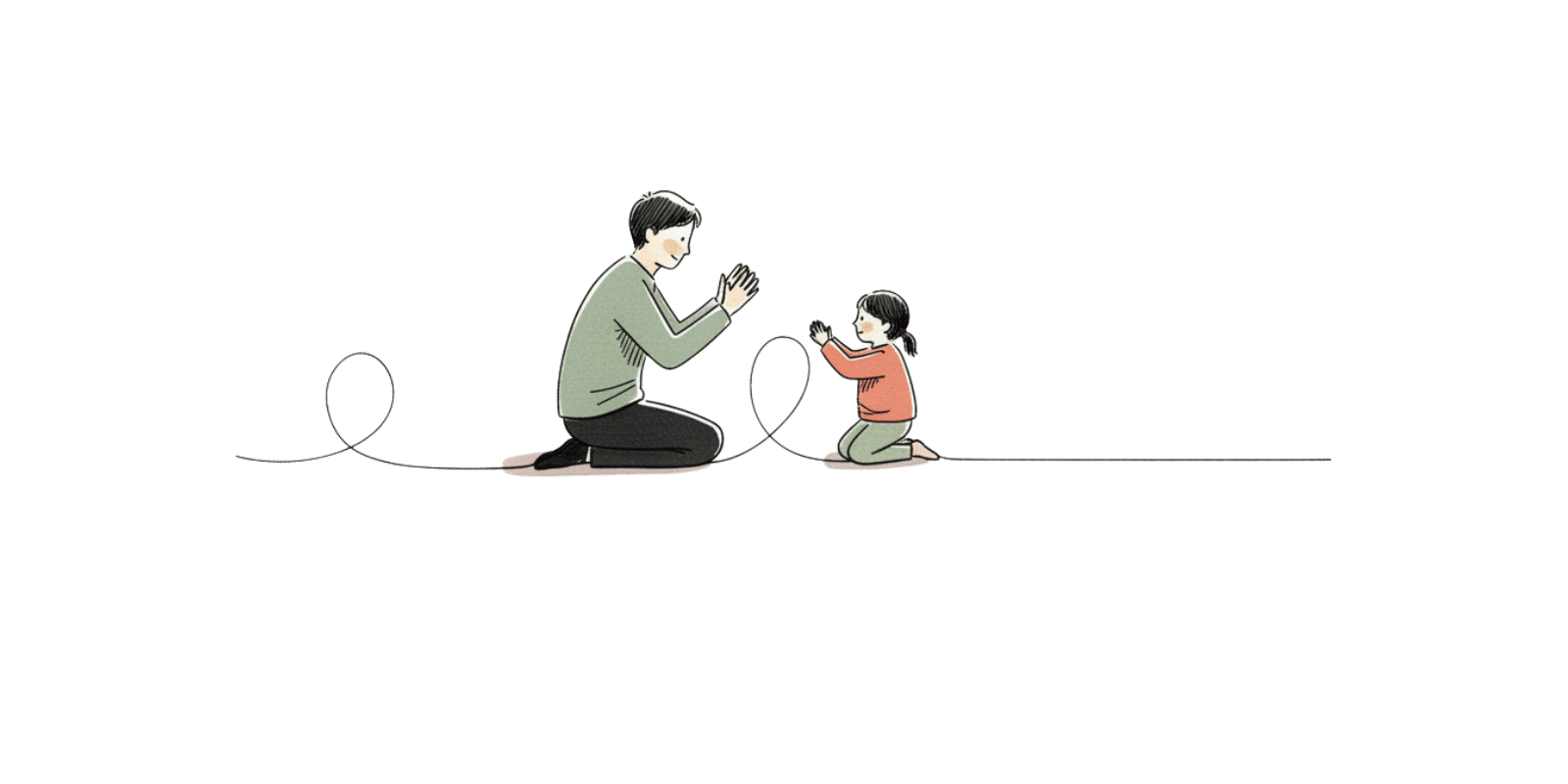
At the heart of confident parenting is knowing what you’re looking at — your child’s stage, temperament, and what “goodness of fit” can look like at home and school. Looped In helps you tell the difference between a phase and a mental health concern, recognize early signs of symptoms, and choose supports that match your child.